Table of Contents
Introduction
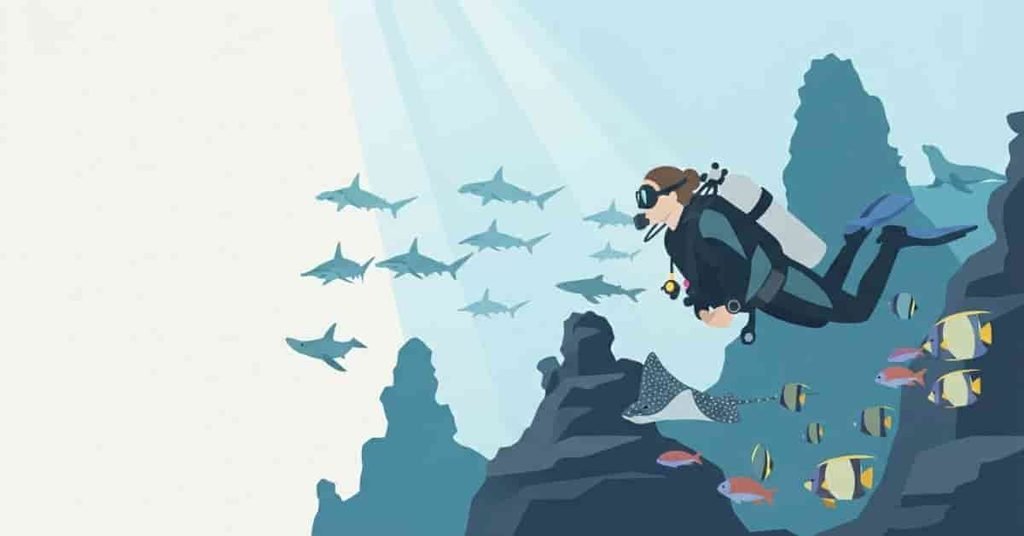
Imagine descending into crystal-clear water as hammerhead sharks glide through the blue around you.
The Galapagos Islands offer one of the world’s most exciting scuba diving experiences. For beginners in the USA, choosing the right season can make your trip more enjoyable. If you’re planning a trip, knowing the best time to scuba dive in Galapagos is essential. Water temperature, visibility, currents, and marine life can change throughout the year.
This guide will help you understand what to expect during each diving season. You’ll learn about the best time to scuba dive in Galapagos Islands, top dive sites, and seasonal wildlife. We’ll also cover water conditions, safety tips, and practical itinerary ideas. That way, you can choose a trip that matches your experience and diving goals.
Whether you want to see hammerheads, sea lions, rays, or colorful reef fish, timing matters. With the right preparation, you can enjoy a safer and more rewarding Galapagos diving adventure.
If you’re considering other tropical destinations, compare seasonal conditions in our guide to the best time to scuba dive in Thailand.
Understanding Galapagos Dive Seasons
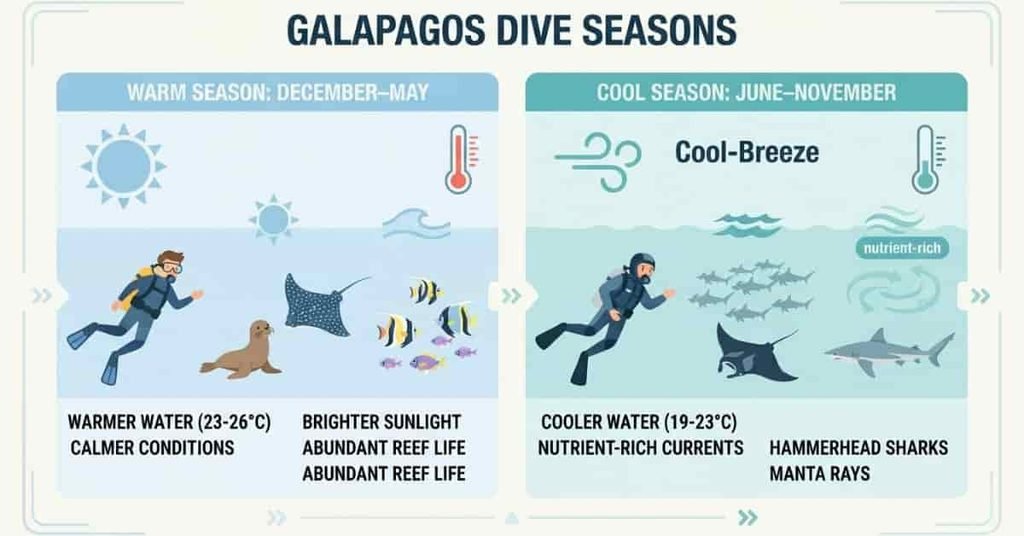
The best time to scuba dive in Galapagos depends on the season you visit and what you hope to see underwater. The islands have two broad diving seasons: a warmer season from December through May and a cooler season from June through November. Each period brings different water temperatures, currents, visibility, and marine life activity.
During the warm season, surface conditions often feel more tropical, while water temperatures generally rise. You may encounter colorful reef fish, rays, sea lions, and other active marine life. Visibility can be good, although local conditions still change around individual islands and dive sites.
The cool season brings colder, nutrient-rich water to the region. These conditions support abundant marine life and can attract more pelagic species. Stronger currents can also occur, especially around remote sites such as Wolf and Darwin Islands. Divers should have appropriate training and experience before attempting challenging sites.
Warm Season: December–May
The warm season can suit divers who prefer warmer water and generally calmer conditions. Tropical species become more noticeable, and sea lions remain a popular highlight around several dive locations.
Water temperatures vary between sites and can change with local currents. Visibility also changes throughout the season, so don’t expect identical conditions on every dive.
For newer divers, choosing sheltered sites and working with an experienced local operator can make the experience more comfortable. This season can also work well for travelers who want to combine diving with broader island activities.
Cool Season: June–November
The cool season brings nutrient-rich waters that support a productive marine environment. These conditions can create exciting opportunities to encounter larger pelagic animals, including hammerhead sharks and rays.
However, cooler water and stronger currents can make some dives more demanding. A well-fitting exposure suit and strong buoyancy skills become especially important.
Remote locations such as Wolf and Darwin Islands can offer exceptional encounters, but they require appropriate experience. Always follow your dive operator’s guidance about currents, entry conditions, and site difficulty.
Fiji is another popular destination with year-round diving opportunities, so check the best time to scuba dive in Fiji before planning your trip.
Pro Tip
Ask your dive operator about recent water conditions before your trip. Local knowledge can help you choose suitable sites for your experience level.
Best Months to Scuba Dive in Galapagos
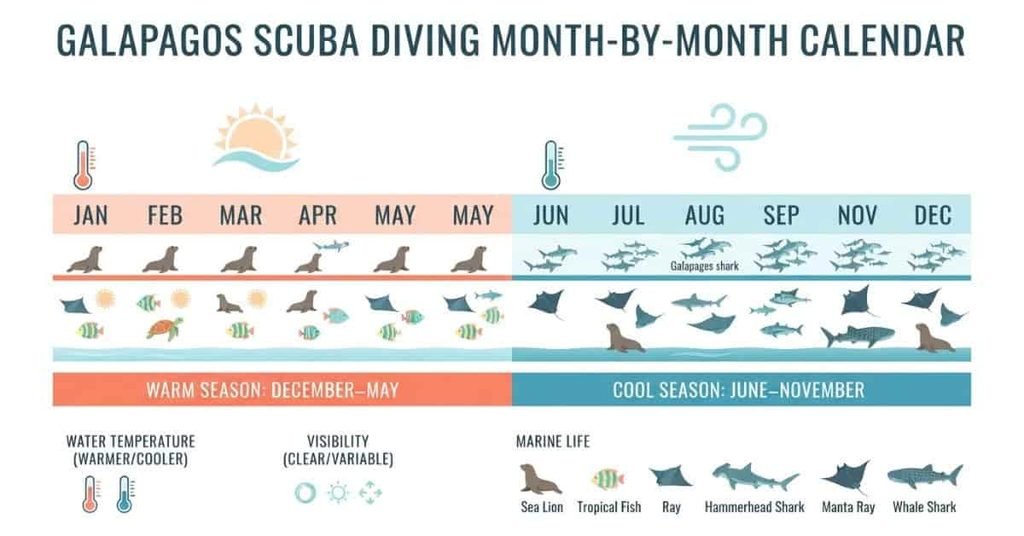
Choosing the right month depends on your priorities, experience, and preferred marine life. The best time to scuba dive in Galapagos Islands can differ from one diver to another because conditions vary between locations.
The best time of year to scuba dive in Galapagos also depends on whether you prefer warmer water or encounters with larger pelagic species. The table below gives a practical overview, but daily conditions can change. Use it as a planning guide rather than a guarantee.
| Month | Water Conditions | Visibility | Marine Life Highlights | Recommended Dive Sites |
|---|---|---|---|---|
| January | Warmer | Often good | Tropical fish, rays, sea lions | Kicker Rock, Santa Cruz |
| February | Warmer | Variable | Sea lions, rays, reef fish | Kicker Rock, Santa Cruz |
| March | Warmer | Variable | Tropical fish, rays | Kicker Rock, local sites |
| April | Warmer | Often good | Sea lions, rays, reef life | Kicker Rock, Santa Cruz |
| May | Transitioning | Variable | Tropical fish, rays, sea lions | Kicker Rock, local sites |
| June | Cooler | Variable | Pelagic species, rays | Wolf, Darwin* |
| July | Cooler | Variable | Hammerheads, rays, pelagics | Wolf, Darwin* |
| August | Cooler | Variable | Hammerheads, pelagics | Wolf, Darwin* |
| September | Cooler | Variable | Pelagic species, rays | Wolf, Darwin* |
| October | Cooler | Variable | Hammerheads, pelagics | Wolf, Darwin* |
| November | Transitioning | Variable | Pelagic species, sea lions | Wolf, Darwin* |
| December | Warmer | Variable | Tropical fish, rays | Kicker Rock, Santa Cruz |
*Wolf and Darwin can involve strong currents and challenging conditions. They are better suited to appropriately trained and experienced divers.
Water temperature and visibility can vary by location and current. Check current conditions with a reputable local dive operator before booking specific sites.
For another warm-water destination, our guide covers the best time to scuba dive in Belize and what conditions to expect.
Marine Life Highlights by Season
Galapagos diving offers impressive wildlife throughout the year, but seasonal conditions can influence what you encounter. Knowing the best time of year to scuba dive in Galapagos helps you spot the wildlife you’re most excited about. Your choice should also consider the islands and dive sites on your itinerary.
During the warm season from December through May, warmer water can support active tropical marine life. Divers may encounter rays, colorful reef fish, and playful sea lions. Conditions can feel more comfortable for divers who prefer warmer water.
The cool season from June through November brings nutrient-rich water and strong biological activity. This period can provide excellent opportunities for encounters with hammerhead sharks and other pelagic species. Whale sharks and manta rays may also appear, but sightings are never guaranteed.
Wildlife encounters depend on location, weather, currents, and natural animal behavior. A local dive operator can provide the latest information about recent sightings and conditions.
Pro Tip
Choose your season based on your top wildlife priority. Then select dive sites that match your experience and trip length.
Top Dive Sites in Galapagos
The Galapagos offers dive sites ranging from accessible coastal locations to demanding offshore sites. Wolf Island, Darwin Island, and Kicker Rock each provide a different diving experience.
Wolf Island is famous for encounters with schooling hammerhead sharks and other large pelagic animals. Strong currents can occur, making this site more suitable for experienced divers. The cooler season can be particularly appealing for divers seeking nutrient-rich waters and pelagic activity.
Darwin Island is another legendary destination for big-animal encounters. Hammerhead sharks are a major attraction, while other pelagic species can appear under the right conditions. Like Wolf, Darwin requires appropriate experience because conditions can become challenging.
Kicker Rock, near San Cristóbal Island, offers a more accessible option for many travelers. Divers can encounter sea lions, rays, turtles, and reef fish around its dramatic rock formations. It can fit well into shorter trips and itineraries that don’t reach the remote northern islands.
Before booking, compare each site’s difficulty, location, and current conditions. Link this section to your detailed Wolf Island, Darwin Island, and Kicker Rock guides when available.
Pro Tip
Don’t choose a dive site only for its famous wildlife. Match the site’s current strength and difficulty with your certification and experience.
Water Conditions & Safety Tips
Galapagos diving can involve changing temperatures, currents, and visibility. Understanding these conditions helps you prepare properly and choose suitable dive sites.
Water temperature changes between the warmer and cooler seasons. The cooler season can require additional exposure protection, especially during repeated dives. Ask your operator about current temperatures before choosing your wetsuit thickness.
Currents deserve particular attention. Some Galapagos sites experience strong or unpredictable water movement. Divers should maintain good buoyancy, stay with their group, and follow the dive guide’s instructions. Advanced training may be appropriate for demanding sites.
Visibility also changes with location, currents, weather, and seasonal conditions. Don’t assume excellent visibility at one island means identical conditions elsewhere.
Planning the best time to scuba dive in Galapagos also ensures safer and more enjoyable dives. Build enough time between dives and follow recommended surface intervals. Carry appropriate exposure protection, a well-maintained regulator, surface signaling equipment, and other required gear.
Safety Checklist
- Choose sites that match your certification and experience.
- Complete proper training before diving strong-current sites.
- Follow your guide’s entry, descent, and exit instructions.
- Maintain recommended surface intervals.
- Check current conditions before each dive.
- Use exposure protection suitable for the water temperature.
- Stay with your buddy and dive group.
Pro Tip
Don’t underestimate Galapagos currents because the surface looks calm. Conditions underwater can differ significantly from what you see above the water.
Conclusion
Choosing the right season can shape your Galapagos diving experience. We covered seasonal conditions, marine life, top dive sites, and essential safety tips.
The best time to scuba dive depends on your goals, experience, and preferred wildlife encounters. The warm season offers warmer water and tropical marine life. The cool season brings nutrient-rich waters and exciting opportunities for pelagic encounters.
Sites like Wolf Island and Darwin Island suit experienced divers seeking big-animal encounters. Kicker Rock offers a more accessible option for many travelers.
Before booking, check current conditions and choose sites that match your skill level. Plan your dives carefully and follow local operator guidance.
Ready to plan your Galapagos adventure? Explore our other scuba diving guides and share your diving plans in the comments.
Frequently Asked Questions
The best time to scuba dive in Galapagos depends on your priorities. December through May generally offers warmer water and tropical marine life. June through November brings cooler, nutrient-rich water and can provide excellent opportunities for pelagic encounters. Your ideal season also depends on your experience, preferred dive sites, and tolerance for cooler water.
There isn’t one perfect month for every diver. December through May can appeal to divers who prefer warmer conditions. June through November may suit divers seeking cooler, nutrient-rich waters and pelagic wildlife. Local conditions can change, so check recent reports before choosing your travel dates.
Yes, some Galapagos dive sites can suit beginners with appropriate certification and experience. However, conditions vary significantly between locations. Strong currents make sites such as Wolf and Darwin more demanding. Beginners should choose suitable sites with a reputable local operator and follow their guide’s recommendations.
Hammerhead sharks can be encountered around Galapagos throughout the year. The cooler season from June through November is often associated with nutrient-rich conditions and excellent pelagic activity. However, wildlife sightings are never guaranteed. Wolf and Darwin Islands are particularly famous for hammerhead encounters.
Yes, whale sharks can be encountered in Galapagos, particularly around the remote northern islands. Sightings depend on season, location, ocean conditions, and natural animal behavior. Divers should never treat whale shark encounters as guaranteed. Experienced operators can recommend suitable itineraries based on current conditions.
Water temperatures vary by season, location, depth, and ocean currents. The warm season generally brings warmer water, while June through November tends to be cooler. Because conditions can change, check recent local reports before your trip and choose exposure protection accordingly.
Wolf Island, Darwin Island, and Kicker Rock are among the best-known Galapagos dive sites. Wolf and Darwin are famous for large pelagic wildlife but can have challenging currents. Kicker Rock offers a different experience and can work well for shorter itineraries and suitable experience levels.
Some Galapagos dives can be challenging because of strong currents, changing conditions, and cooler water. Wolf and Darwin generally require more experience than sheltered sites. Good buoyancy control, appropriate training, and careful listening to your dive guide can help you handle demanding conditions more safely.
Galapagos divers may encounter hammerhead sharks, rays, sea lions, tropical fish, manta rays, turtles, and other pelagic species. The animals you see depend on the season, dive site, currents, and natural behavior. Choosing your itinerary around your favorite wildlife can improve your chances of memorable encounters.
Visibility can be good, but it varies by island, season, currents, weather, and dive site. Nutrient-rich water can sometimes reduce visibility while supporting abundant marine life. Don’t judge conditions from one dive alone. Ask your local operator about recent visibility before selecting specific sites.
Your equipment depends on the season and dive site. A suitable wetsuit, well-maintained regulator, mask, fins, buoyancy system, and surface signaling equipment are important. Divers visiting challenging sites may also need equipment recommended by their operator. Always confirm the required gear before departure.
Planning early is wise, especially if you want a specific liveaboard, itinerary, or remote northern-island dive sites. Popular trips can have limited availability. Book enough time to confirm your certification, equipment needs, travel arrangements, and preferred diving schedule.

Scuba Diving Researcher & Beginner Guide
Evan Calder is the creator of DiveBeginner, a website dedicated to helping beginners learn scuba diving simply and practically 🌊
He focuses on scuba fundamentals, beginner safety, and clear diving guidance. Evan has studied ocean and marine science through programs at the Scripps Institution of Oceanography, UC San Diego, a globally recognized leader in ocean research.
Instead of complex technical language, Evan provides easy-to-follow, beginner-friendly guides based on real-world research, helping first-time divers feel confident before their first dive 🤿
DiveBeginner reflects his passion for making scuba diving accessible, safe, and enjoyable for everyone.